

Cast Iron Economizer: The Industrial Powerhouse for Energy Efficiency
In industrial boiler systems and thermal applications, energy recovery and efficiency enhancement are perpetual priorities. As a key energy-saving equipment, cast iron economizers stand out with their exceptional durability and efficient heat exchange capabilities, becoming the preferred choice for numerous enterprises. This article delves into the material characteristics, specifications, core advantages of cast iron economizers, and showcases their industrial value through real-world case studies.
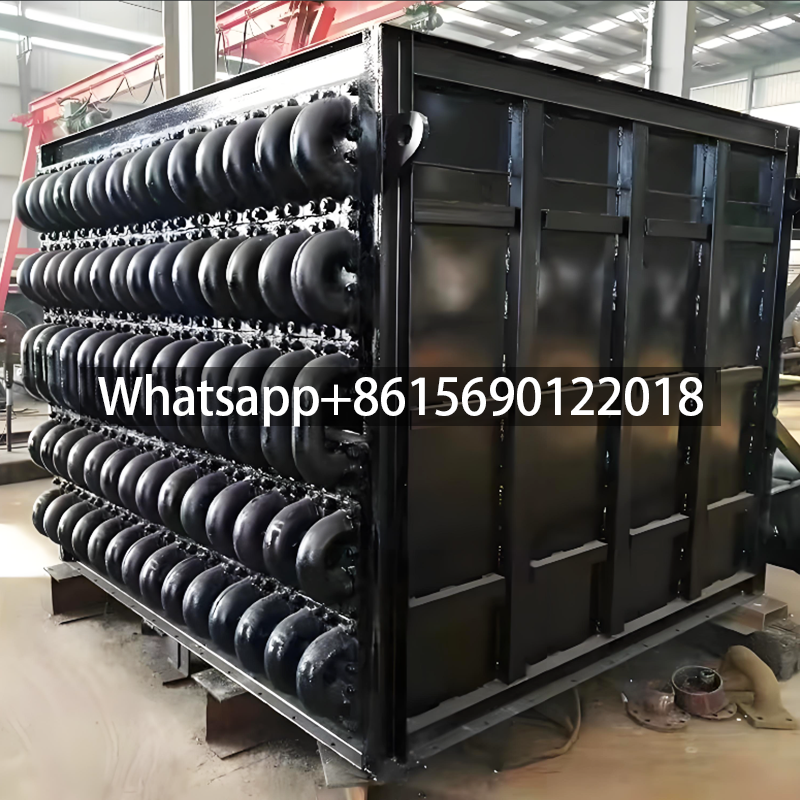

I. Material Composition: The Foundation of Durability
The main body of cast iron economizers is crafted from high-quality gray cast iron, offering these distinct advantages:
- Superior Corrosion Resistance: The oxide layer formed on the surface effectively protects against scale and chemical corrosion, extending equipment lifespan.
- Excellent Thermal Stability: Resistant to deformation under high-temperature and high-pressure conditions, ensuring long-term stable operation.
- Cost-Effective: Compared to materials like stainless steel, gray cast iron significantly reduces manufacturing costs while maintaining performance.
II. Technical Specifications: Tailored Solutions
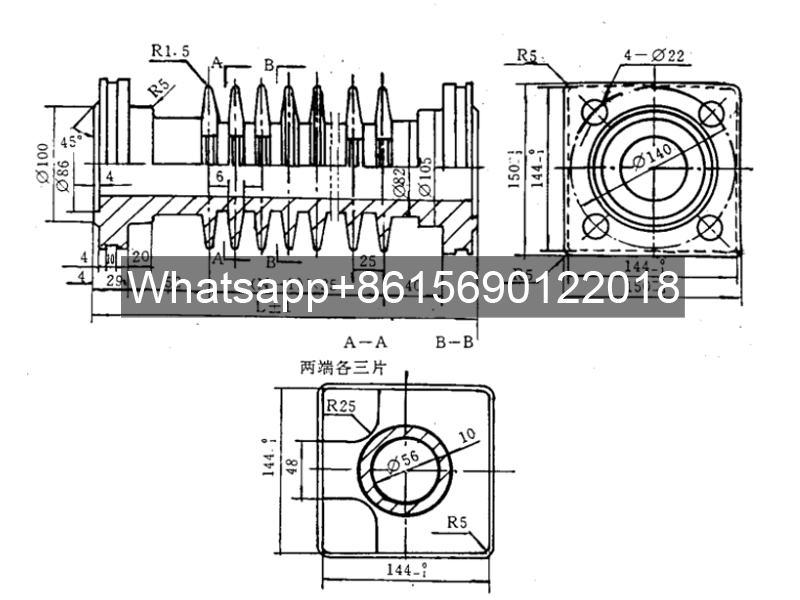
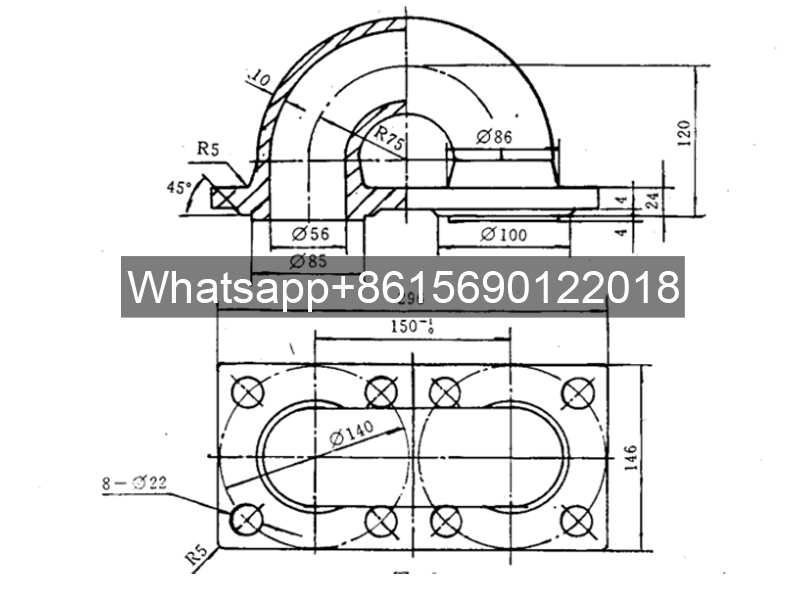
Cast iron economizers are available in various specifications to meet diverse application needs, with key parameters including:
- Pipe Diameter Range: Typically DN50-DN200, customizable based on flow requirements.
- Working Pressure: Standard models withstand 1.0-2.5MPa pressure, with special designs available for higher pressures.
- Heat Exchange Area: Ranging from 5㎡ to 200㎡, supporting modular expansion.
- Operating Temperature: Wide adaptability from -20℃ to 300℃.
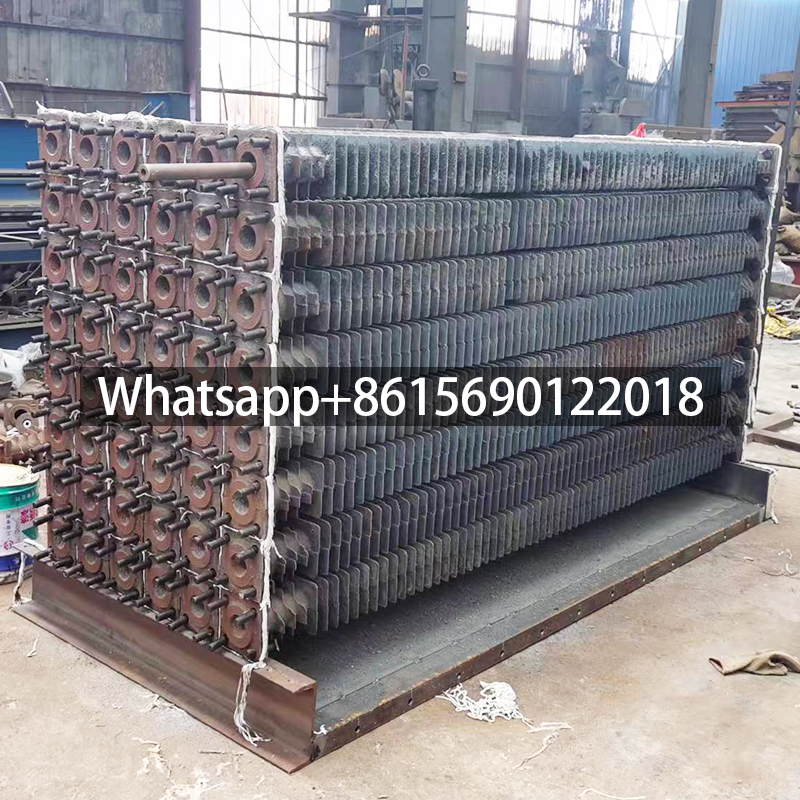
III. Core Advantages: Why Choose Cast Iron Economizers?
1. Outstanding Energy Savings
By recovering waste heat from boiler flue gases, it preheats feedwater by 30-50℃, significantly reducing fuel consumption. For example, a textile factory achieved annual natural gas savings of ¥120,000 after installation.
2. Extraordinary Longevity
The gray cast iron material enables a service life of 15-20 years, more than double that of conventional steel economizers. A power plant case study showed no leakage after 18 years of continuous operation.
3. Minimal Maintenance Requirements
- Simple structure with low failure rates
- Slow scale accumulation, reducing cleaning frequency
- High compatibility of spare parts, lowering replacement costs
4. Significant Environmental Benefits
Each cast iron economizer can reduce CO₂ emissions by approximately 50 tons annually, helping enterprises achieve carbon neutrality goals.

IV. Real-World Applications
Case Study 1: Food Processing Plant Upgrade
A large food processing company installed cast iron economizers in their 10-ton boiler system, achieving:
- Feedwater temperature increase from 20℃ to 65℃
- Boiler efficiency improvement by 8%
- Payback period of just 14 months
Case Study 2: District Heating System Enhancement
A northern thermal power company implemented a cast iron economizer solution across 20 heat exchange stations, resulting in:
- Overall thermal efficiency improvement by 12%
- Annual coal savings of 3,000 tons
- 40% reduction in maintenance labor costs
V. Conclusion
With their exceptional energy-saving performance, extended service life, and significant economic benefits, cast iron economizers have become industry leaders in energy efficiency. As national requirements for energy conservation and emissions reduction continue to increase, cast iron economizers will create greater value for more enterprises, driving green and sustainable development.