

Stainless Steel Finned Tube Heat Exchangers for Waste Heat Recovery

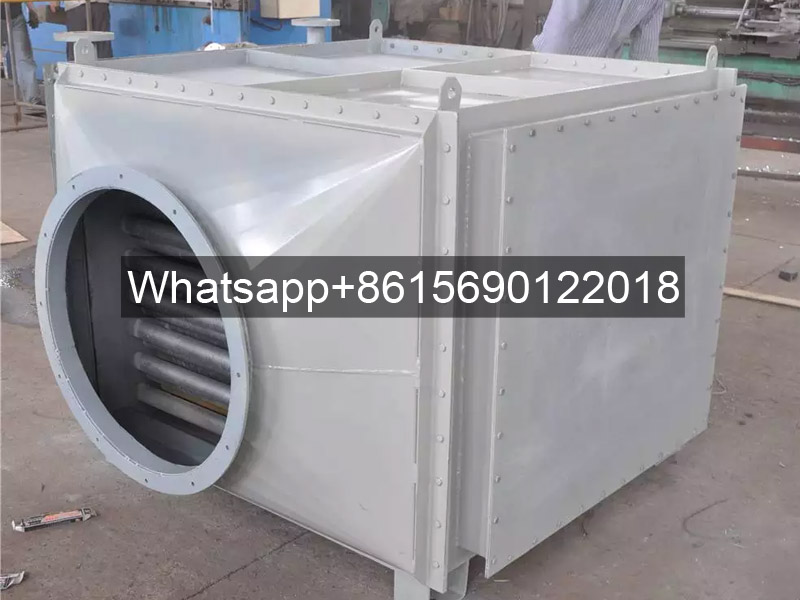
In waste heat recovery systems, the stainless steel finned tube heat exchanger serves as the core equipment, enabling heat exchange between high-temperature waste gas (the heat source) and low-temperature fluids (such as air, water, or heat transfer oil, the heated medium).
Email:datangfintube@gmail.com
Whatsapp+86 15690122018
In industrial production processes, large amounts of heat carried by high-temperature flue gas, waste gas, and steam condensate are often directly emitted, resulting in significant energy waste and environmental pollution. Waste heat recovery is a crucial aspect of energy conservation and emission reduction. Stainless steel finned tube heat exchangers, with their unique corrosion resistance, high heat transfer efficiency, and long service life, have become an ideal choice for handling corrosive, high-humidity, or high-cleanliness waste heat recovery applications.
Core Functions of Stainless Steel Finned Tube Heat Exchangers for Waste Heat Recovery
In waste heat recovery systems, the stainless steel finned tube heat exchanger serves as the core equipment, enabling heat exchange between high-temperature waste gas (the heat source) and low-temperature fluids (such as air, water, or heat transfer oil, the heated medium). The heat from the high-temperature waste gas is absorbed by the low-temperature fluid, thereby reducing the waste gas emission temperature and improving heat source utilization efficiency.
Working Principle of Stainless Steel Finned Tube Heat Exchanger for Waste Heat Recovery:
High-Temperature Side (Exhaust Gas Side): High-temperature exhaust gas (such as boiler flue gas, kiln exhaust gas, drying tail gas, etc.) flows through the outer side of the finned tube bundle of the heat exchanger.
Low-Temperature Side (Heated Medium Side): Low-temperature fluid (such as combustion air, boiler feedwater, process water, etc.) flows inside the stainless steel base tube.
Heat Transfer: The heat from the exhaust gas is conducted through the fins and the metal wall of the base tube, heating the low-temperature fluid flowing inside the tube.
High-Efficiency Heat Exchange: The fins increase the contact area between the exhaust gas and the metal wall, significantly enhancing the heat transfer process. Even when the exhaust gas temperature is not high or the temperature difference is small, heat recovery can still be achieved.
Why Choose Stainless Steel?
In the field of waste heat recovery, exhaust gas compositions are complex, often containing water vapor, acidic gases (SOx, NOx), salts, dust, etc., which can easily lead to low-temperature corrosion (dew point corrosion) and chemical corrosion in ordinary carbon steel heat exchangers. Stainless steel addresses this key pain point:
Corrosion Resistance:
Acid Dew Point Corrosion Resistance: SOx in flue gas combines with water vapor to form sulfuric acid (H₂SO₄), which condenses at low temperatures and is extremely corrosive to carbon steel. Stainless steel (especially grades like 304 and 316L) can effectively resist corrosion from acidic media such as sulfuric acid.
Chloride Ion Corrosion Resistance: In environments containing saline substances or cooled with seawater, 316L stainless steel, due to its molybdenum (Mo) content, exhibits excellent resistance to chloride ion pitting and crevice corrosion.
At high temperatures, a dense chromium oxide protective film forms on the surface of stainless steel, preventing further oxidation.
High Cleanliness Requirements: Stainless steel has a smooth surface, is not prone to scale buildup, and produces no rust product contamination, making it suitable for waste heat recovery applications in food, pharmaceuticals, and other fields requiring high media purity.
Long Service Life: Corrosion resistance directly determines the service life of a heat exchanger. Stainless steel heat exchangers have a much longer service life than carbon steel heat exchangers, reducing maintenance and replacement costs.
Good mechanical properties: It has sufficient strength and toughness to meet the needs of different pressure and temperature conditions.