
Air Cooler: An Efficient and Energy-Saving Industrial Cooling Solution
What is an Air Cooler?
An Air Cooled Heat Exchanger (Air Cooler) is a heat exchange device that uses air as the cooling medium, widely applied in industries such as petrochemicals, power generation, and metallurgy. Compared to traditional water-cooling systems, air coolers achieve heat exchange through natural or forced ventilation, significantly reducing water consumption and operational costs.
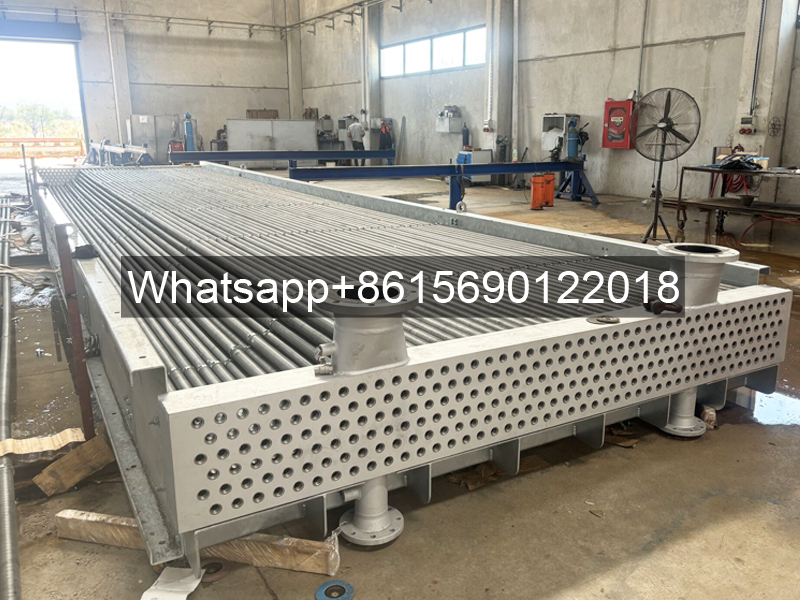
Core Materials and Specifications
The performance and durability of air coolers heavily depend on material selection. Mainstream materials include:
- Carbon Steel: Suitable for general industrial environments, cost-effective, and easy to process, serving as the foundational material for air cooler manufacturing.
- Stainless Steel: Offers strong corrosion resistance, ideal for chemical or marine environments, ensuring stability under harsh conditions.
- Aluminum Alloy: Lightweight design enhances heat exchange efficiency, particularly beneficial for weight-sensitive applications.
In terms of specifications, air coolers can be customized based on requirements, with common parameters including:
- Heat Dissipation Area: Ranging from dozens to thousands of square meters, catering to diverse cooling needs.
- Airflow Rate: From thousands to hundreds of thousands of cubic meters per hour, accommodating various operational conditions.
- Working Pressure: Typically designed for low to medium pressure, ensuring safe operation.
L Foot Fin Wrap On Fin L LL KL Type Fin Finned Tube for Air Cooled Heat Exchanger

Features and Advantages
Air coolers provide multiple advantages in industrial applications:
- Energy Efficiency and Environmental Protection: Eliminates water usage, reducing water treatment and disposal costs, aligning with sustainable development goals.
- High-Efficiency Heat Dissipation: Optimizes fin design and airflow distribution for rapid heat exchange, boosting system efficiency.
- Low Maintenance Costs: Simple structure with no complex water systems, resulting in fewer failures and long-term economic benefits.
- Strong Adaptability: Integrates seamlessly with existing facilities, such as air compressors and chillers, enhancing overall performance.^^1^^
Real-World Application Cases
Case 1: Petrochemical Industry
A large oil refinery replaced traditional water-cooling systems with air coolers, saving hundreds of thousands of tons of water annually while cutting wastewater treatment expenses. The stainless steel air coolers demonstrated excellent performance in high-temperature and corrosive environments, significantly improving production line reliability and environmental compliance.
Case 2: Power Generation Industry
A power plant incorporated air coolers into turbine cooling, using forced ventilation to maintain stable heat dissipation even under high temperatures. The lightweight aluminum alloy design simplified installation, and efficient heat exchange ensured power generation efficiency, leading to substantial energy savings for the facility.
Why Choose an Air Cooler?
As industries prioritize energy efficiency and environmental protection, air coolers emerge as a preferred cooling solution. They reduce operational costs and environmental impact, playing a pivotal role in green industrial transformation. Whether for new projects or system upgrades, air coolers offer flexible and reliable options.
Conclusion
Air coolers, with their material versatility, flexible specifications, and proven advantages, hold a critical position in industrial cooling. Real-world cases validate their excellence in water conservation, energy efficiency, and operational reliability, making them an ideal choice for future industrial development. For more information or customized solutions, feel free to contact us—we’re here to provide expert support.